Future of Sustainable Development and Education Beyond 2030
From MDGs to SDGs to what comes next for education systems and the people doing the work on the ground.
Written by
Abayomi Ogundipe
Founder
5 min read
In 2010, I wrote an audacious plan about wanting to see the Millennium Development Goals (MDGs) written on the walls of secondary schools in my city.
I didn’t have a big platform. I just had questions.
Why were these global goals invisible to the young people whose futures they were supposed to shape? Why did development conversations feel so far away from classrooms, teachers, and community organizers?
That curiosity changed the way I see the world and what it means to be a global citizen. Learning about the MDGs didn’t stay as abstract UN language for me; it became a lens for how I looked at my own community, my work, and my responsibilities. In that first post on my personal blog, I wrote an abstract about wanting to see the MDGs physically on school walls so that young people could grow up with those goals in front of them, not hidden in reports and conferences.
Over time, I kept reflecting on it and later through more reflective pieces on Scenic Memo. Those spaces became my lab: a place to connect what I was reading about development with what I was seeing in classrooms, youth centres, and community projects.
That curiosity pulled me into a decade of work around education, youth, and social impact. I carried the MDGs with me, then watched the world transition to the Sustainable Development Goals (SDGs) in 2015, and especially SDG 4: Quality Education.
Now we’re approaching 2030, and I find myself asking a similar question:
What comes after the SDGs, and what does that mean for education and the people doing the hard work on the ground?
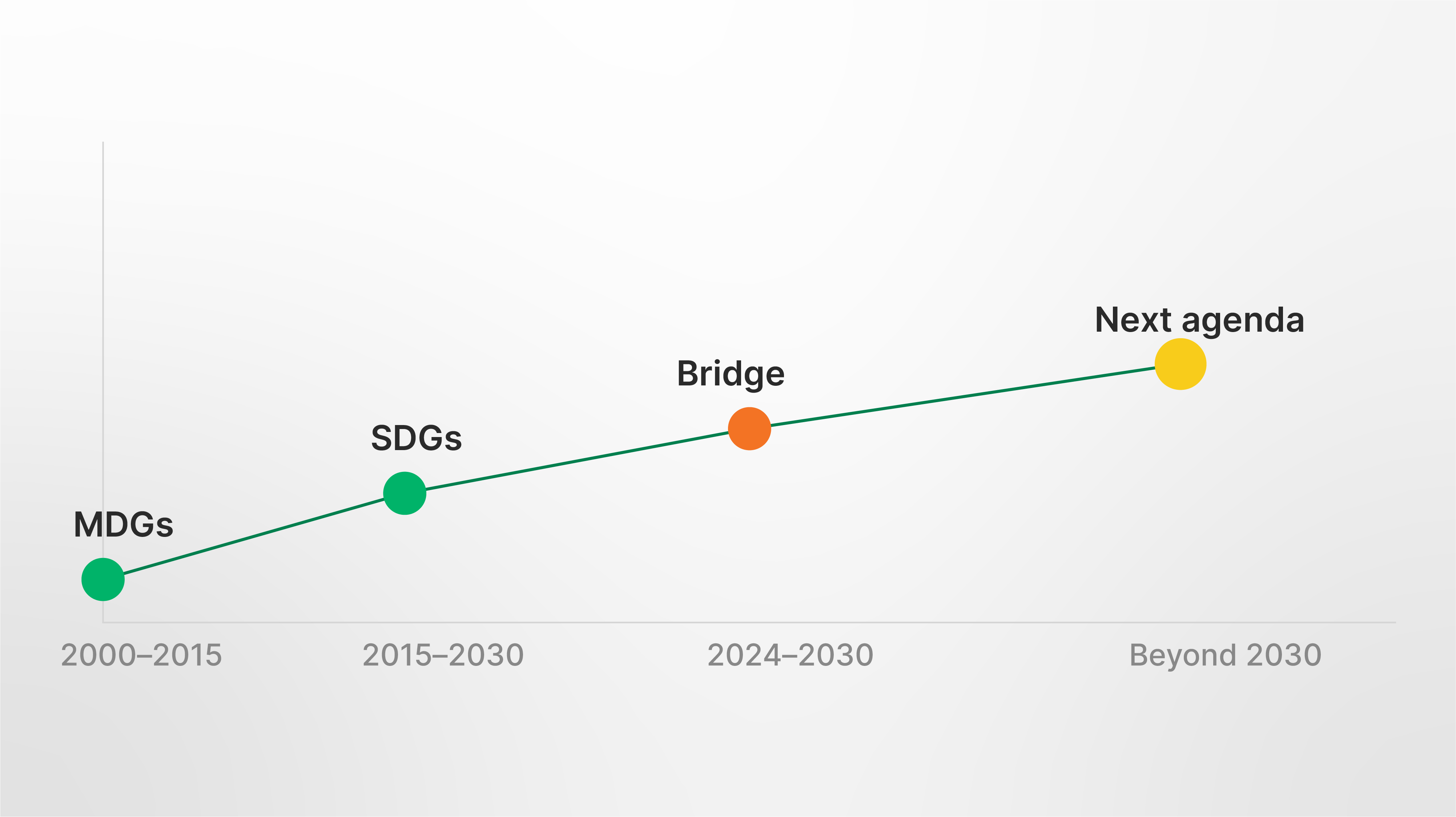
From MDGs to SDGs… to “What Comes After 2030?
From Millennium Development Goals (MDGs) to Sustainable Development Goals (SDGs)
The MDGs were a focused list of eight goals. The SDGs expanded that into a broader, more ambitious agenda, 17 goals covering poverty, climate, peace, equality, and more.
For education, SDG 4 promised:
Inclusive and equitable quality education for all.
Lifelong learning opportunities.
A stronger focus on learning outcomes, not just access.
But we all know the story: progress has been uneven. Millions of children are still out of school. Many are in school but not learning. Digital divides, conflict, and climate shocks are widening gaps.
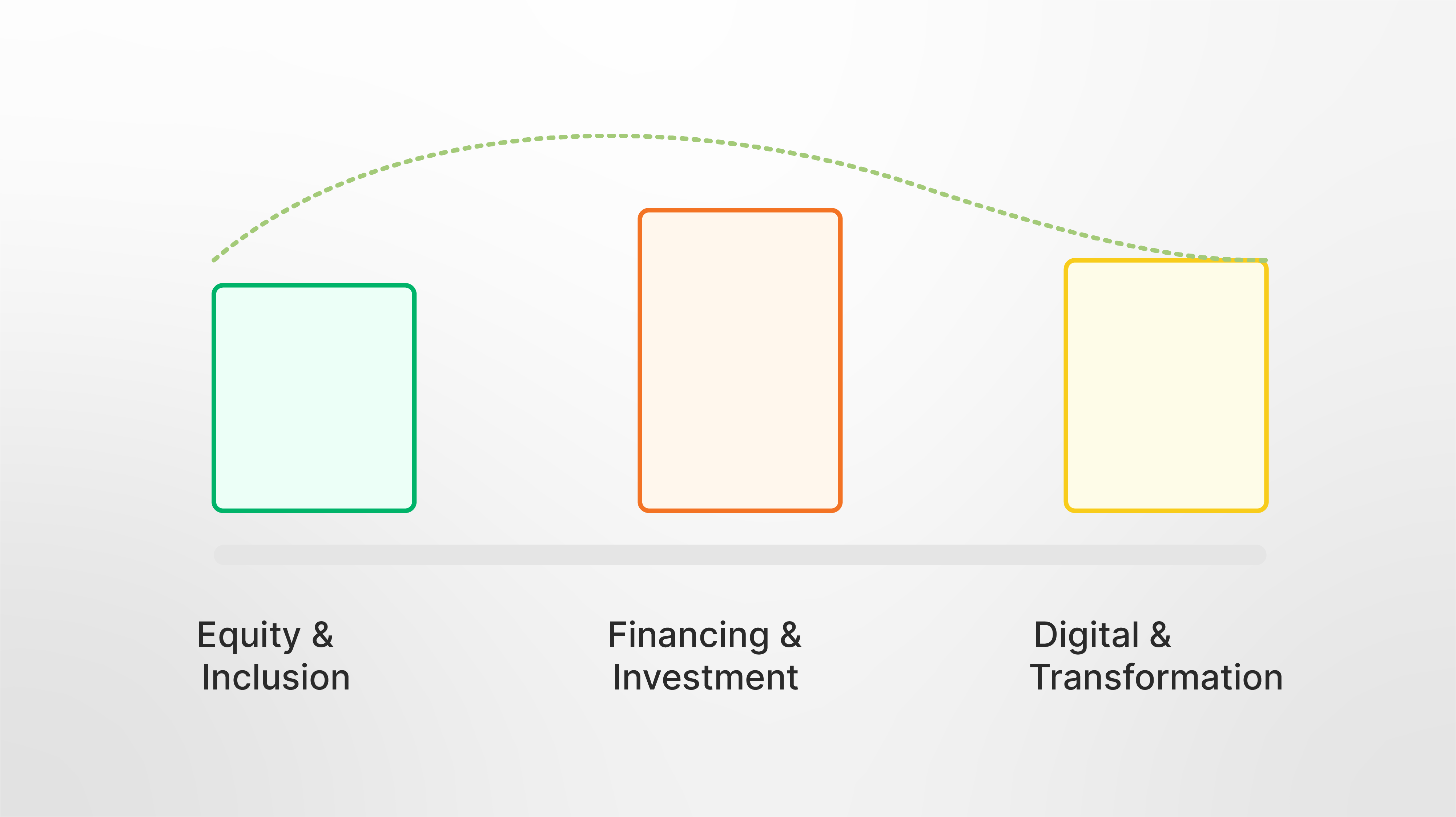
3 pillars post-2030
So what happens after 2030?
There is no final, agreed “post-2030 agenda” yet. But if you follow UNESCO, UNICEF, the Transforming Education Summit, the Summit of the Future, and the Pact for the Future, clear patterns emerge.
What the UN and Partners Are Working On
Three strands are especially important if you care about education and project design:
Finishing the unfinished business of SDG 4. Even in 2030, we won’t be done. Future goals will double down on equity, inclusion, and learning outcomes, not just enrollment.
Reimagining education as a common good. UNESCO’s Futures of Education work calls for a new social contract for education, one that treats education as a public good, linked to human rights, climate justice, and democratic life.
Preparing for a climate, and AI-shaped world. UNICEF and others are looking toward 2050 and asking what children will need in a world reshaped by climate change, demographic shifts, and breakthrough technologies.
In short: education is moving from nice to have to central infrastructure for the future.
What This Means for Practitioners and Organizations
If you run a nonprofit, school, social enterprise, or program today, the post-2030 agenda isn’t an abstract UN debate. It shows up in your daily work:
Donors ask sharper questions about evidence and impact.
Communities expect meaningful participation, not just consultation.
Children and young people demand education that speaks to climate, mental health, and digital life.
Data, AI, and digital platforms change how we design and deliver learning.
In that context, the ability to design strong projects is no longer a nice bonus. It’s survival.
You need problem statements grounded in evidence, not slogans.
You need stakeholder maps that reflect real power and relationships, not just a list of “partners”.
You need theories of change that connect activities to outcomes in ways that withstand scrutiny.
You need to show how your work speaks to the future we’re walking into, not just the problems of the past.
Looking Beyond 2030, One Project at a Time
I still believe classrooms, youth centers, and community spaces should be full of the language of global goals, whatever they’re called after 2030.
But for that to matter, organizations need the capacity to design projects that:
Are rooted in lived experience and local data.
Align with emerging global priorities.
Are fundable, measurable, and sustainable.
If you want to be ready for what comes after 2030, start by strengthening the way you design your next project.
Key Sources and Further Reading
UN & UNESCO
UNESCO SDG 4: Education 2030, High-Level Steering Committee (HLSC) - Overview of SDG-4 coordination, including the 2025 leaders’ meeting on progress and the post-2030 agenda. Link
UNESCO: Reimagining Our Futures Together: A New Social Contract for Education (International Commission on the Futures of Education, 2021)
Beyond 2030: The Council of Europe’s ongoing commitment to quality education (Matjaž Gruden, 2025, UNESCO #LeadingSDG4 blog). Link
Education without an expiration date: Reflections on SDG-4 and its post-2030 agenda (Mariano Jabonero, 2025, UNESCO #LeadingSDG4 blog). Listed under several UNESCO “education finance / digital learning / teacher training” tag pages. Link
UNICEF & Futures for Children
UNICEF: The State of the World’s Children 2024: The Future of Childhood in a Changing World